
How to Oil a Butcher Block (and How Often)
A step-by-step guide to oiling a butcher block: the right food-safe oil, how often to do it, signs your board is thirsty, and the mistakes to avoid.
Get early access to holiday gift sets and care tips.
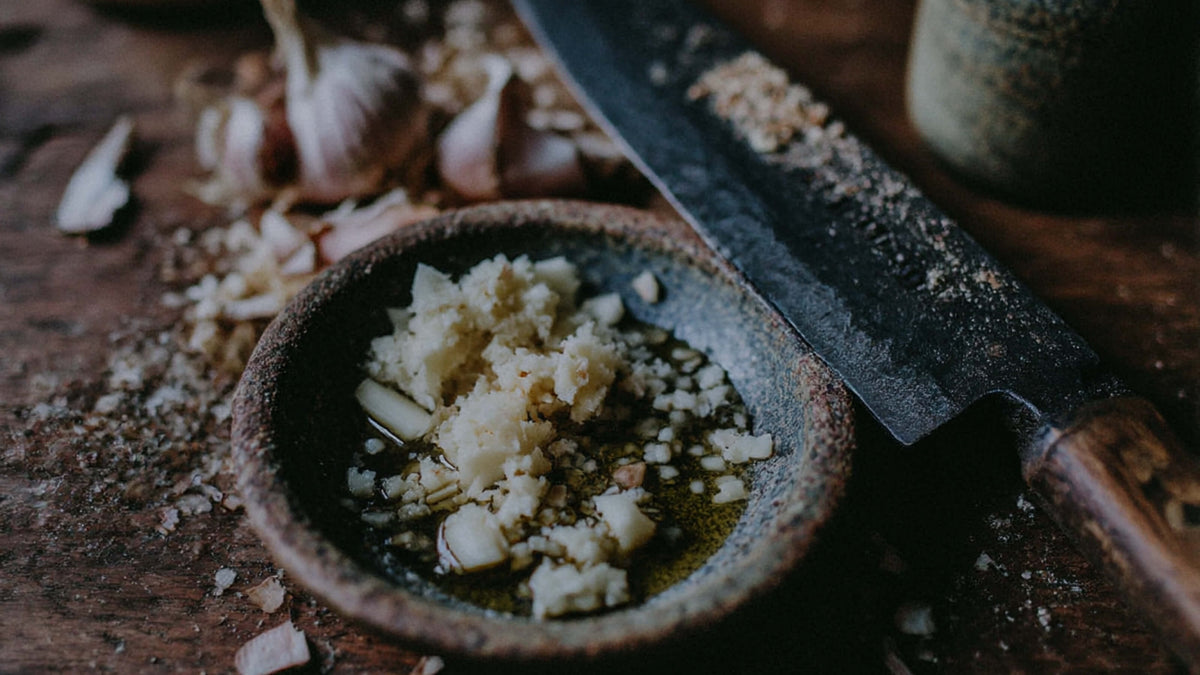
You invested in tools built to last generations. The good news? Keeping them in top shape doesn't take much — just a little love and a few minutes here and there.
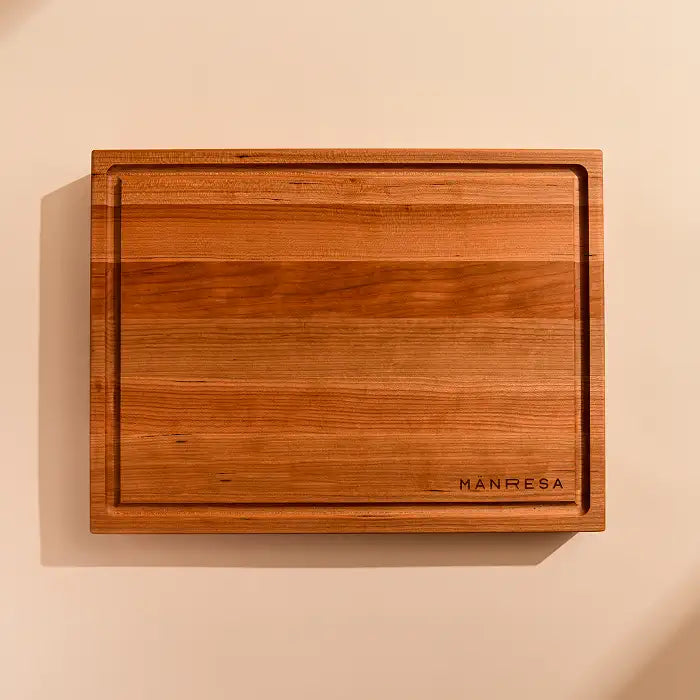
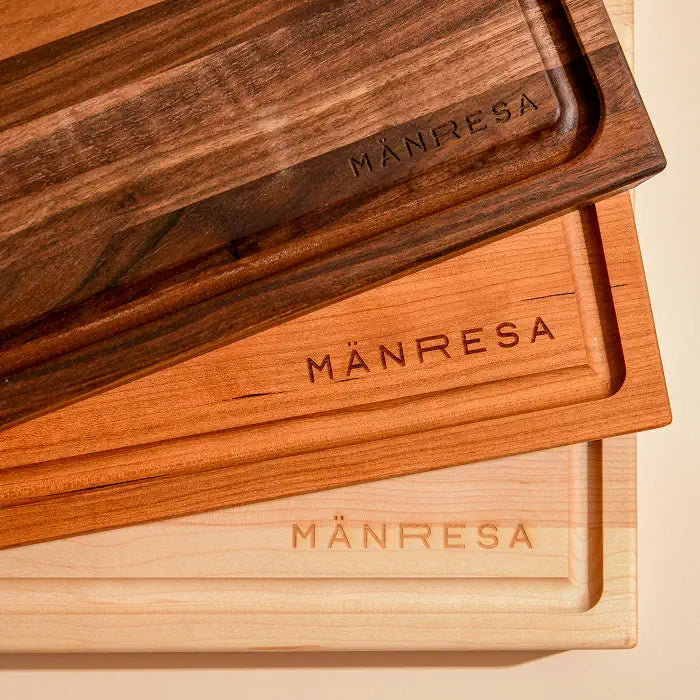
Your Mänresa butcher block is made from American hardwood, and it actually gets better with use. Those knife marks and patina? That's character.
After each use, wipe it down with a damp cloth and a little mild soap. Dry it right away — standing water is the one thing wood doesn't love. Once a month (or whenever the surface starts looking a little dry), rub in a generous coat of food-safe mineral oil. Let it soak in overnight, wipe off the excess in the morning, and you're good to go.
One tip: never run it through the dishwasher. Your butcher block will thank you.
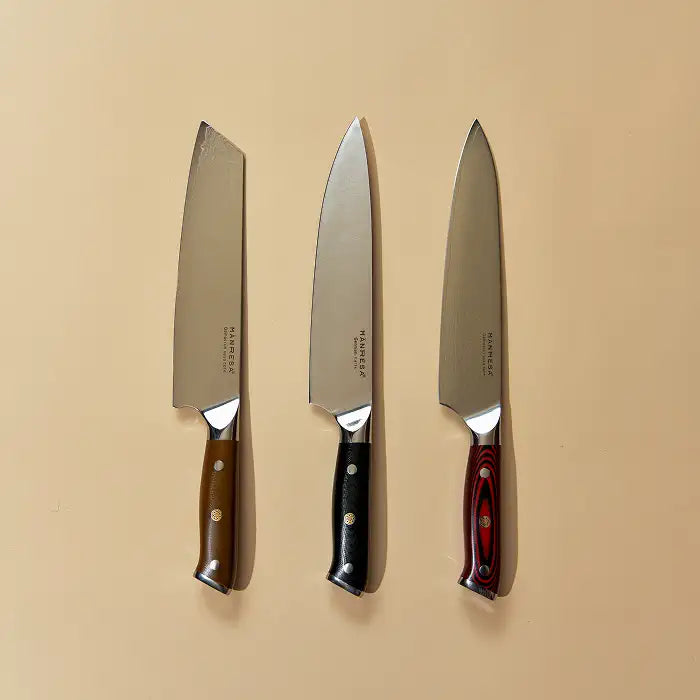
A sharp knife is a safe knife. Keep your Mänresa blade honed with a few passes on a honing rod before each use — this realigns the edge and keeps your cuts clean.
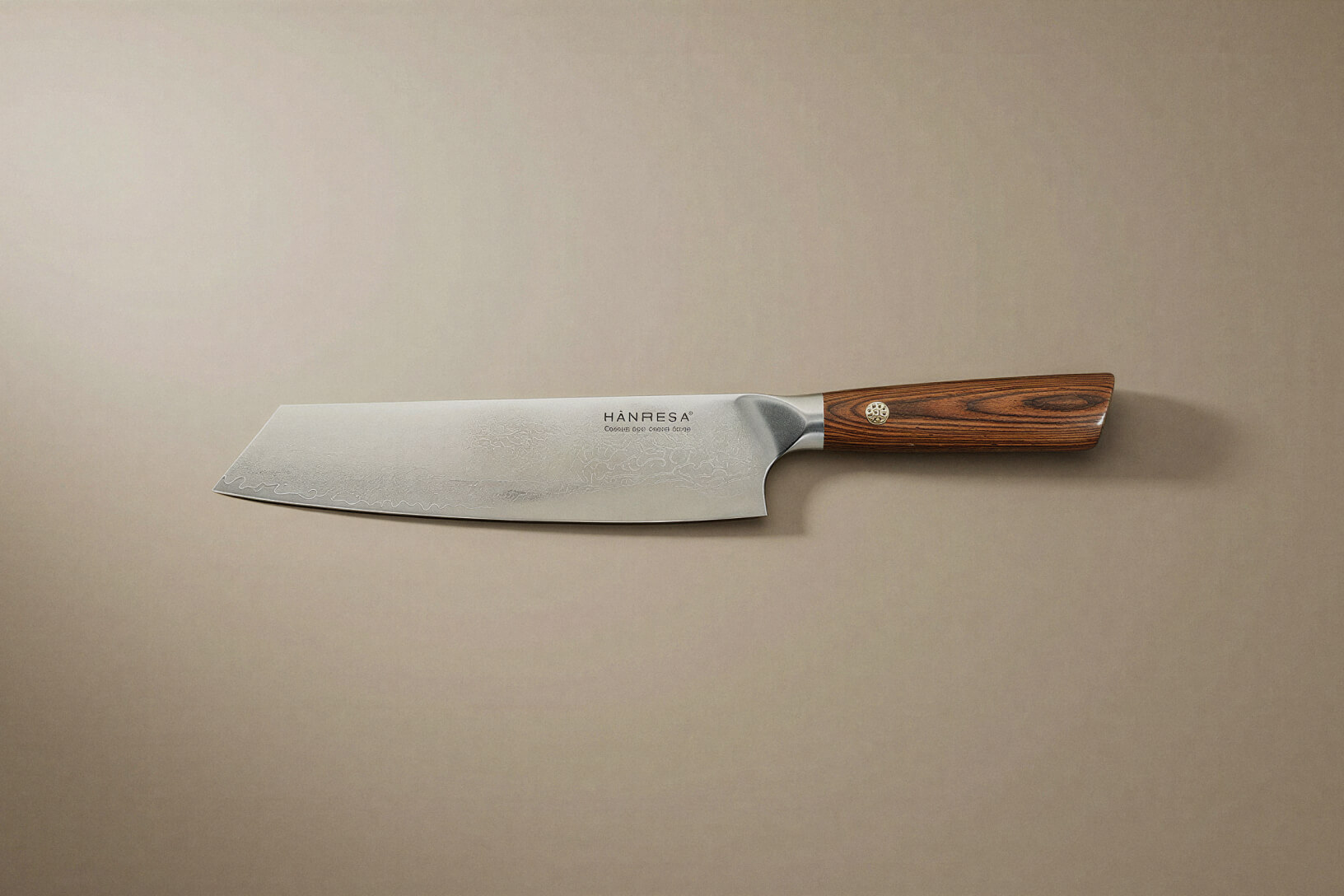
When it's time for a proper sharpening (you'll know when honing doesn't quite bring back that bite), use a whetstone or take it to a professional. We recommend sharpening every few months depending on how often you cook.
For storage, a magnetic knife strip or blade guard works great. Tossing it loose in a drawer? Not so much. Wash by hand, dry immediately, and your knife will stay as sharp and reliable as the day you unboxed it.
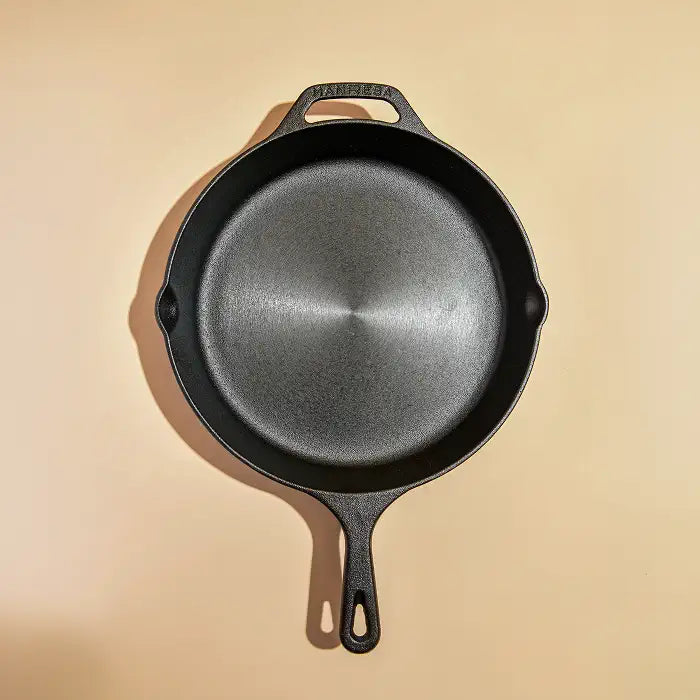
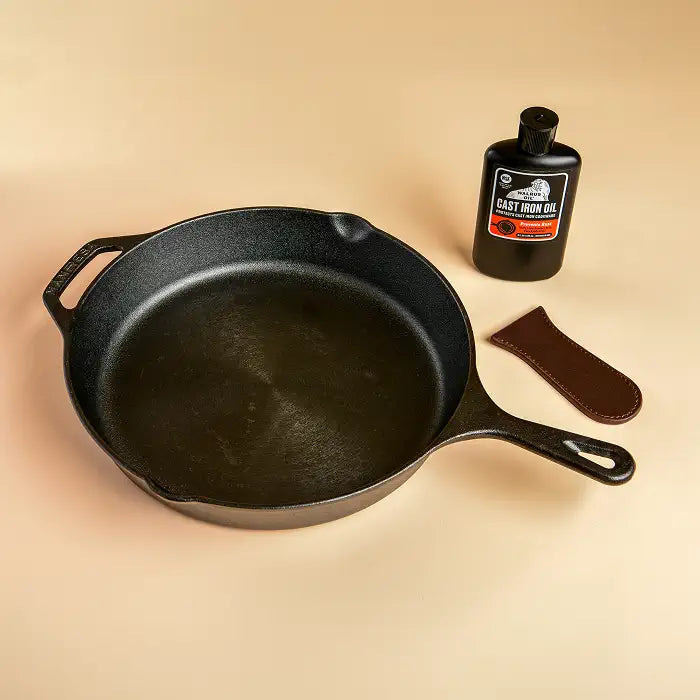
Cast iron is practically indestructible — but it does need seasoning. If your pan came pre-seasoned, you're already ahead. To maintain that nonstick surface, just cook with it often (especially with a little oil or butter) and avoid soaking it in water.
After cooking, rinse with hot water and use a stiff brush or scraper to clean off any stuck bits. Dry it on the stovetop over low heat, then rub a thin layer of oil over the surface. That's it.
If the seasoning ever starts to look patchy, no stress. Just give it a fresh coat of oil and bake it upside down in the oven at 450°F for an hour. Good as new.
Take care of your tools and they'll take care of you. A little oil, a quick dry, and some common sense go a long way. These pieces were made to be used hard and loved well — so get cooking.
Explore more insights, recipes, and product care tips.

