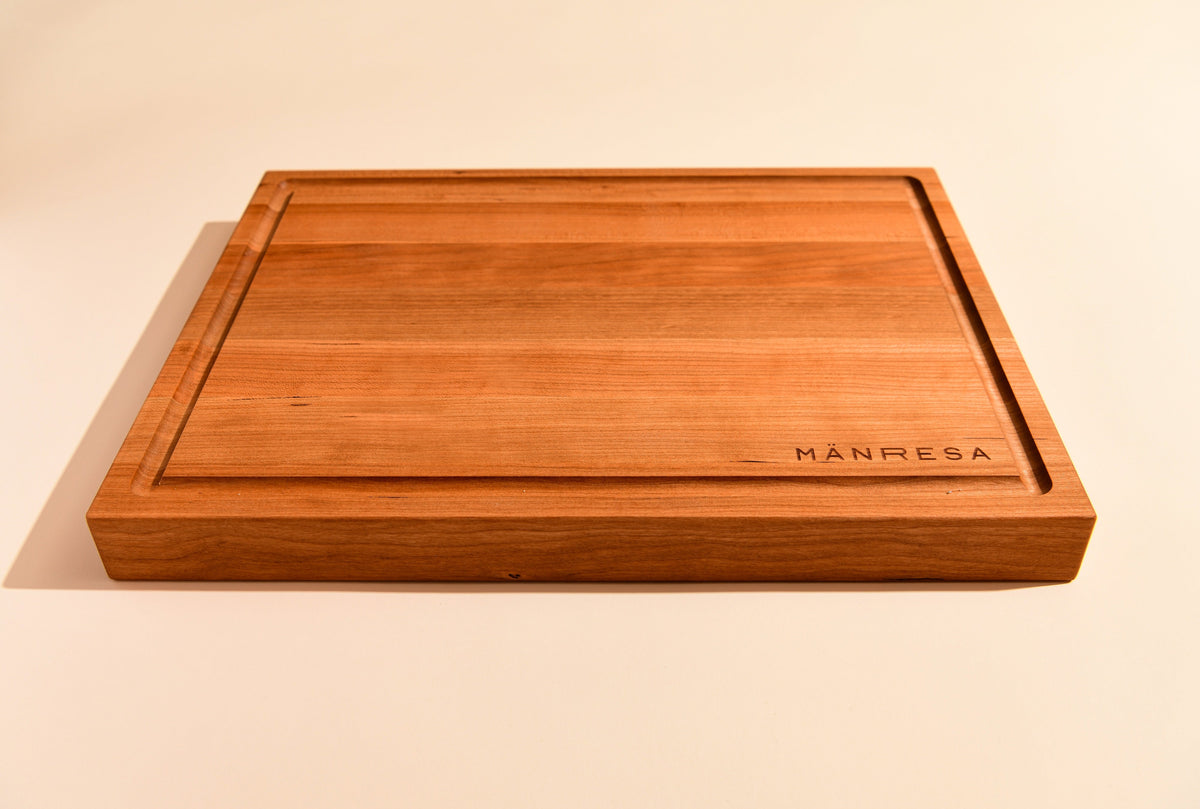
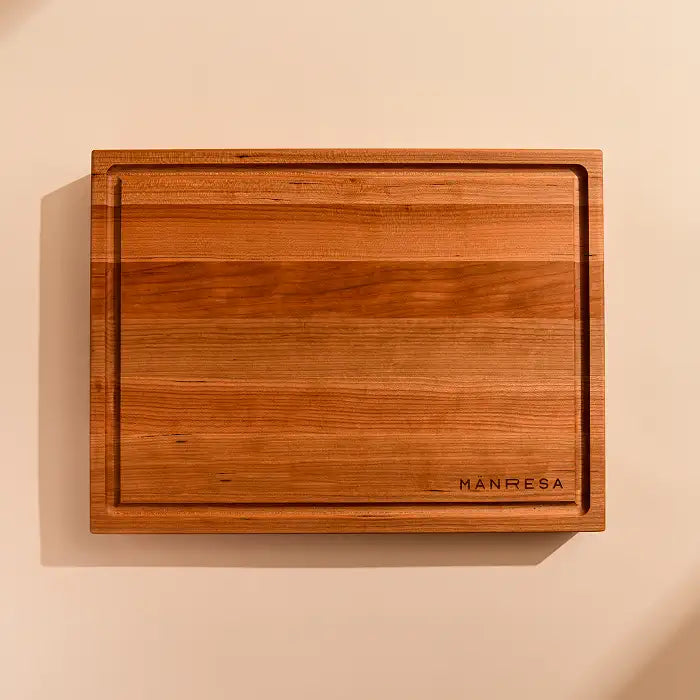
Oiled Appalachia Cherry butcher block by Mänresa

How to Oil a Butcher Block (and How Often)

A step-by-step guide to oiling a butcher block: the right food-safe oil, how often to do it, signs your board is thirsty, and the mistakes to avoid.

Table of content

5 min read

Share this post

To oil a butcher block, start with a clean, completely dry board, rub a generous coat of food-safe mineral oil into every surface, let it soak in overnight, and wipe off the excess the next morning. For most home kitchens, once a month is the right rhythm, with extra coats whenever the wood looks pale or dry. That's the whole routine, and it takes about five minutes of hands-on time.

Below we cover why oiling matters, exactly what to use, how often to do it, and the mistakes that cause boards to crack or warp.

Why do you need to oil a butcher block?

Wood is a natural material that takes on and gives off moisture. Every time you wash a board, water gets into the surface fibers, and as it dries, the wood can shrink and swell. Over months, uneven drying is what leads to rough grain, warping, and cracks.

Oiled Mänresa Walnut Butcher Block showing rich wood grain

A regular coat of food-safe oil helps in a few ways:

  • It slows water absorption. Oil fills the surface fibers so less water soaks in during washing.
  • It keeps the wood from drying out. A conditioned board is less prone to splitting in a dry winter kitchen.
  • It brings out the grain. Freshly oiled maple, cherry, and walnut all look richer and deeper.
  • It makes cleanup easier. Food residue wipes off a conditioned surface more readily.

Every Mänresa butcher block comes finished in food-safe oils, but that first finish is a starting point, not a lifetime coat. Regular oiling is what keeps a board looking good and working well for years.

What oil should you use on a butcher block?

Use a food-safe mineral oil. It is inexpensive, flavorless, odorless, and does not go rancid, which is why it is the standard recommendation for cutting boards and the oil we recommend for our own boards.

Other common options:

  • Board cream or board butter: Usually mineral oil blended with beeswax or another wax. The wax adds a light protective layer on top. It's a nice finishing step after oiling, but plain oil does the deep conditioning.
  • Fractionated coconut oil: A food-safe option that stays liquid and resists going rancid.

What to avoid:

  • Cooking oils like olive, vegetable, or canola oil. They can turn rancid in the wood over time and leave a sticky, smelly surface.
  • Furniture polish or finishes not labeled food-safe. Anything that touches food prep surfaces should be clearly marked as food-safe.

How to oil a butcher block, step by step

  1. Clean the board. Wipe it with a damp cloth and a little mild soap to remove food residue. Rinse the cloth and wipe again.
  2. Let it dry completely. Stand the board on its edge so air reaches both faces. Oil won't absorb well into damp wood, so give it a few hours, or ideally overnight.
  3. Apply a generous coat. Pour oil directly onto the surface and spread it with a clean, lint-free cloth or paper towel. Don't be shy: a dry board will drink a lot.
  4. Cover every surface. Oil the top, bottom, and all four edges. Treating only the cutting face is a common cause of warping, because one side ends up absorbing and releasing moisture differently than the other.
  5. Let it soak in overnight. Leave the board on its edge or on a rack so it isn't sitting in a puddle of oil.
  6. Wipe off the excess. In the morning, buff away any oil left on the surface with a clean cloth. The board should feel smooth, not greasy.
  7. Optional: add board cream. For extra protection, rub a thin layer of board cream over the surface and buff it in.

How often should you oil a butcher block?

A good baseline is once a month, which is what we recommend for every Mänresa board. Adjust based on how your board is used and where you live:

Mänresa North Woods Maple Butcher Block ready for oiling

  • New board: Give it a couple of extra coats during the first few weeks to build up the finish.
  • Heavy daily use or frequent washing: Oil more often, every two to three weeks.
  • Dry climate or winter heating season: Check more often. Dry indoor air pulls moisture out of wood.
  • Occasional use: Monthly is usually plenty.

How do you know when a butcher block needs oil?

Your board will tell you. Look for these signs:

  • The wood looks pale, chalky, or lighter than usual.
  • Water soaks in quickly instead of beading on the surface.
  • The surface feels rough or fuzzy to the touch.
  • Fine surface cracks start to appear.

A simple test: sprinkle a few drops of water on the board. If they bead up, you're in good shape. If they darken the wood and disappear, it's time to oil.

Daily care between oilings

Oiling is only half the job. The everyday habits matter just as much:

  • Wipe it down after each use with a damp cloth and mild soap, then dry it right away.
  • Never put it in the dishwasher. The heat and long soak are the fastest way to ruin a wooden board.
  • Never soak it in the sink. Standing water swells the wood unevenly.
  • Dry it on its edge so both sides get air.
  • Use separate prep habits for raw meat, and clean thoroughly afterward. For more on hygiene, see our guide to wood vs. plastic cutting boards.

Common oiling mistakes to avoid

  • Oiling a wet board. Trapped moisture keeps oil from absorbing.
  • Only oiling the top. Treat all six sides for even moisture balance.
  • Using cooking oil. It can go rancid and leave a sticky film.
  • Leaving a thick layer on the surface. Wipe off what doesn't absorb.
  • Waiting until it cracks. A few minutes once a month prevents most problems.

Which boards does this apply to?

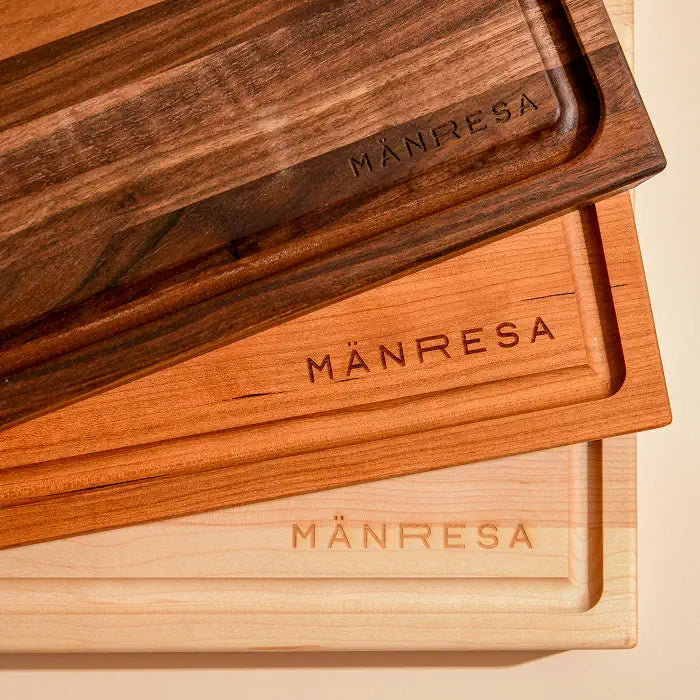
This routine works for any solid hardwood cutting board, including all three Mänresa edge grain butcher blocks, each available in 16 x 12 x 1.5, 18 x 14 x 1.5, and 20 x 16 x 1.5 inch sizes:

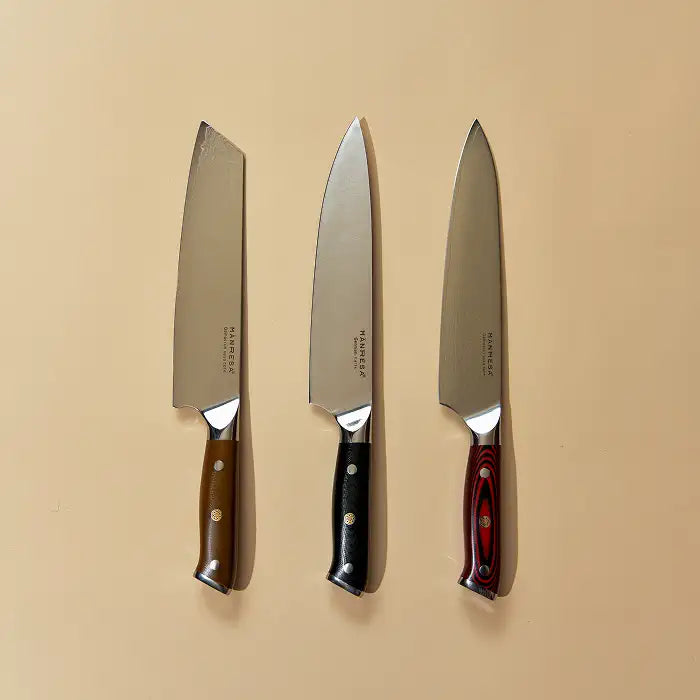
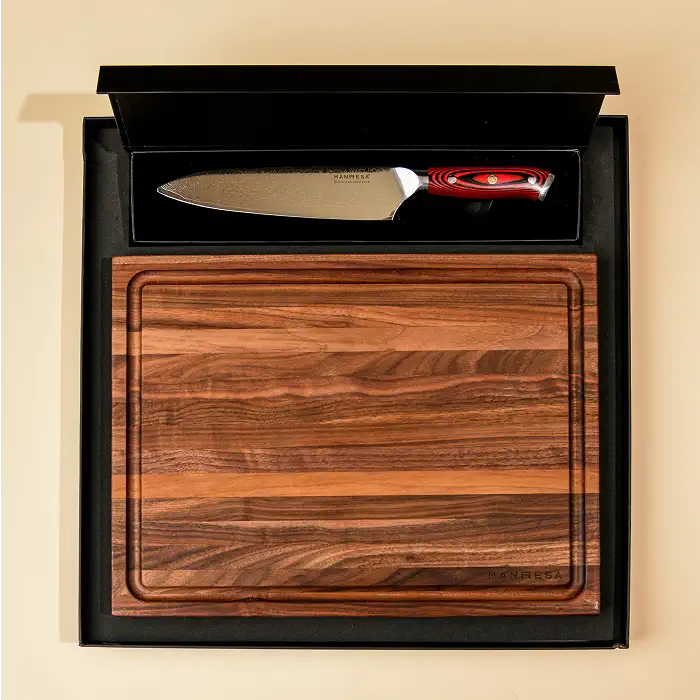
Pairing a board with a knife? The Butcher Block Chef Knife Gift Set combines a block with your choice of German Pro, American Pro, or Japanese Pro chef knife. For knife care, see how to choose a chef's knife.

FAQ

How often should I oil a new butcher block? Apply a few extra coats over the first few weeks, then settle into a monthly routine.

Can I use olive oil on a butcher block? It's best to avoid it. Cooking oils can go rancid in the wood. Use food-safe mineral oil instead.

How long should oil sit on a butcher block? Let it soak in overnight, then wipe off any excess in the morning.

Can you over-oil a butcher block? The wood only absorbs what it can. The real problem is leaving extra oil on the surface, so always wipe it off.

Is mineral oil safe on a cutting board? Yes, as long as it is labeled food-safe or food-grade.

Related Articles

Explore more insights, recipes, and product care tips.

Learn more about N4
Walnut vs. Maple vs. Cherry: Best Wood for a Cutting Board

Walnut vs. Maple vs. Cherry: Best Wood for a Cutting Board

Maple, walnut, or cherry? Compare hardness, knife feel, color, and how each wood ages to choose the right cutting board or butcher block.

End Grain vs. Edge Grain Butcher Blocks: Which Should You Buy?

End Grain vs. Edge Grain Butcher Blocks: Which Should You Buy?

End grain or edge grain? We compare how each butcher block is built, how it treats your knives, how much care it needs, and which one most home cooks should buy.